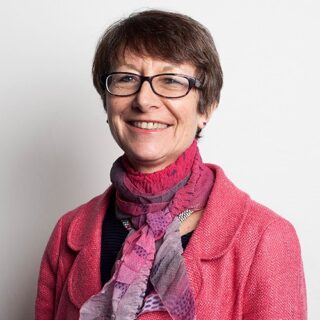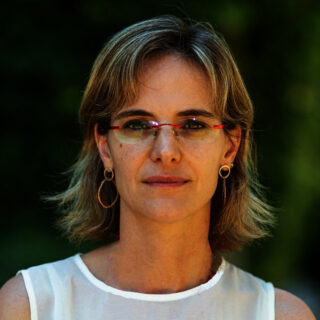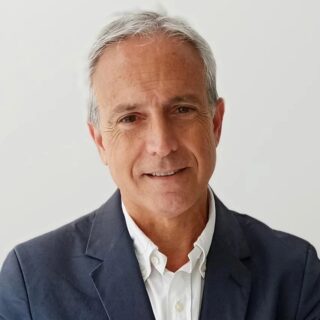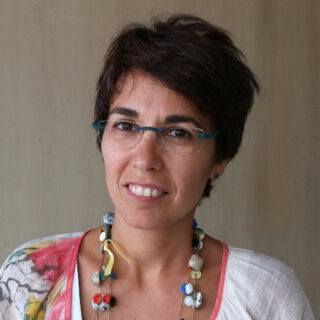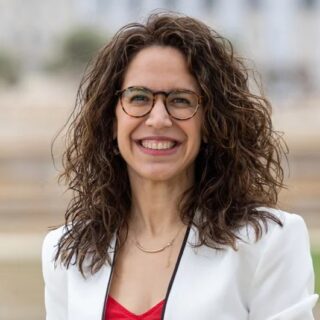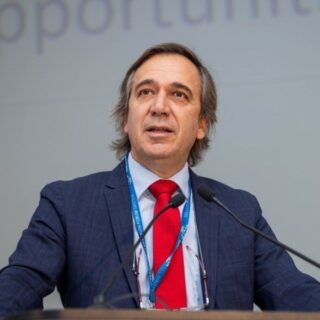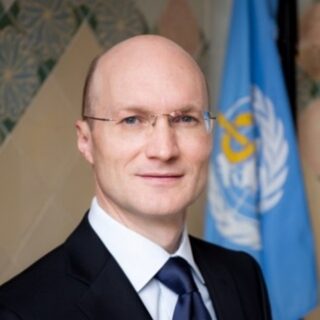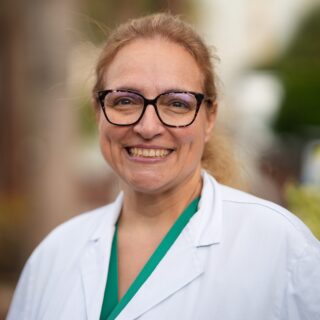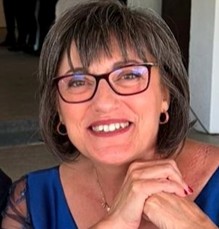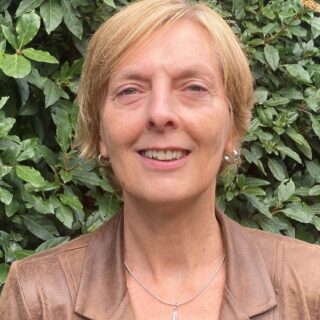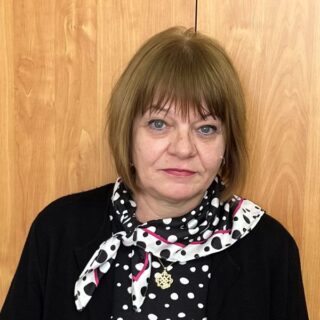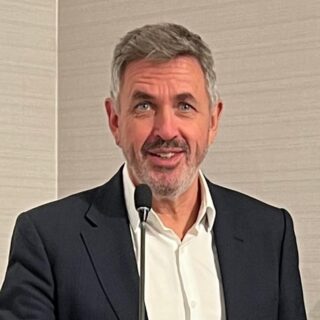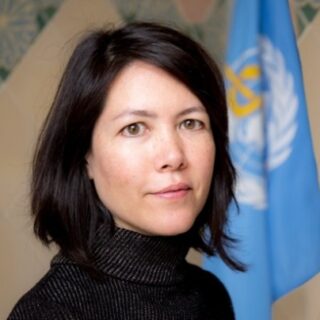
Dr Natalia Alluè, MD
MD, Medical Director, Fundació Sanitària de Mollet, Spain
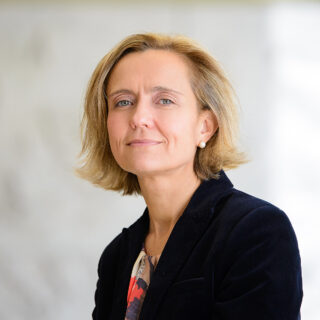
Dr Natalia Allué Orduña is Medical Director of Fundació Sanitària Mollet, where she oversees clinical management and supports the integration of data-driven approaches to improve healthcare quality and performance. She is a specialist in Preventive Medicine and Public Health, with a strong focus on the use of data and clinical information systems in healthcare management.
Her work centres on the analysis of healthcare data, clinical documentation, and the development of dashboards and performance indicators to support decision-making and continuous quality improvement. She holds a Master’s degree in Public Health and Clinical Documentation and has extensive experience in applying data analytics to enhance clinical and organisational outcomes.
Prof Ronald Batenburg is Endowed Professor in Health Workforce and Organisation Studies at Radboud University and Programme Leader at the Netherlands Institute for Health Services Research (Nivel). His work focuses on the dynamics of labour markets, professional roles and organisational structures in healthcare, with particular attention to how these shape the quality of work and the organisation of care delivery.
His research examines how institutional reforms, organisational change, task delegation and professional substitution influence job structures and the work of healthcare professionals. A central focus of his work is strategic health workforce planning and the alignment between population health needs and the supply, skills and distribution of health professionals.
Prof Batenburg leads several research initiatives on labour markets, education and workforce development in the health sector, providing evidence to support health policy and management decisions. He trained as a sociologist, obtaining his Master’s degree from Utrecht University and his PhD from the University of Groningen.
Mr Michele Calabró is Director of the European Regional and Local Health Authorities (EUREGHA), the European reference network representing regional and local health authorities. In this role, he leads the work of the association’s secretariat, overseeing advocacy, knowledge exchange and partnerships, as well as communication activities and events.
Prior to joining EUREGHA in May 2022, he worked at the European Health Management Association (EHMA) as Policy and Communications Manager. He also served as Policy Adviser at the European Patients’ Forum and as Senior Manager for Digital Health Policy at DIGITALEUROPE.
Mr Calabró has been actively engaged in European health policy networks and initiatives. Between April 2020 and January 2022, he co-chaired the EU4Health Civil Society Alliance. He is also part of several professional networks, including the Young Forum Gastein, the European Health Parliament Alumni group and the IPSE Network – Italiani per le Politiche Sanitarie Europee.
Prof Naomi Chambers is Professor of Health Management at the University of Manchester, with a long-standing focus on healthcare leadership, organisational culture, board governance and the role of clinicians in management. Her work spans health policy and management in Europe, primary care, and patient and public involvement, reflecting a sustained commitment to strengthening leadership and governance across health systems.
She leads and contributes to a range of executive and doctoral-level education programmes, including co-directing leadership and management within the Higher Specialist Healthcare Scientist Training Programme. She has previously held senior teaching and leadership roles across major NHS leadership initiatives, including as programme director of the Nye Bevan executive programme for aspiring NHS board directors and as university lead for NHS Leadership Academy programmes.
Prof Chambers brings over 30 years of experience in health services management and research. She has held prominent governance roles, including serving as President of the European Health Management Association and as Vice Chair of an NHS Clinical Commissioning Group. She continues to work closely with NHS boards, regulatory bodies and leading policy organisations such as the The King’s Fund, Nuffield Trust and Health Foundation.
Her research focuses on leadership and governance in healthcare organisations, including board-level leadership in hospitals, the implementation and impact of the NHS well-led framework, and approaches to organising care around patients. She is editor of the Research Handbook on Leadership in Healthcare (2023) and continues to lead work on contemporary policy and workforce challenges, including analyses of maternity services inquiries and the evolution of health policy leadership in the United Kingdom.
Dr Montserrat Codina is Project Lead at the Center for Research in Healthcare Innovation Management at IESE Business School, where she leads and coordinates several training and health innovation initiatives. Her work focuses on the development of innovative education models and approaches to training, capacity building and skills development in the health sector, with the aim of fostering innovation and supporting its effective adoption within healthcare systems.
She contributes to the design and implementation of programmes that strengthen the capabilities of healthcare professionals and organisations to respond to evolving system needs and technological change. Through her role, she collaborates with academic institutions, healthcare organisations and international partners to advance innovation and knowledge exchange in health management and healthcare delivery.
Dr Codina brings extensive experience across biomedical research, project management and competitive research funding. Prior to joining IESE Business School, she worked in biomedical research at Universitat Autònoma de Barcelona, Technical University of Munich and Hospital del Mar Medical Research Institute. She also held roles in the management of international training programmes at IDIBAPS and in the development of European and national health research projects at Fundació Clínic per a la Recerca Biomèdica.
Dr Codina holds a PhD in Biology from Universitat Autònoma de Barcelona and served as Adjunct Faculty for ten years at Universitat de Barcelona – Hospital Clínic Campus.
Dr Jaume Duran is Chief Executive Officer of Fundació Sanitària Mollet (FSM), a non-profit organisation delivering public health and social services to more than 165,000 citizens in the Barcelona metropolitan area. Through a team of around 1,500 professionals, the organisation manages an annual budget of approximately €85 million and oversees a network of healthcare services including the Hospital de Mollet.
Trained as a general practitioner and holding a Master’s degree in Business Administration, Dr Duran has held several executive leadership positions in Catalan hospitals. He is actively engaged in governance and sector representation within the Catalan health system and serves as Secretary of the Directors’ Committee of the Catalan Union of Hospitals.
Under his leadership, Hospital de Mollet has become an international reference for sustainable healthcare. The organisation’s “Green Hospital” initiative has received international recognition, including the Silver Award at the Ashikaga-Nikken Excellence Award for Green Hospitals from the International Hospital Federation. Over the past decade, the hospital has reduced its CO₂ emissions by more than 70 per cent as part of its broader commitment to achieving carbon neutrality.
Dr Mireia Espallargues Carreras is Director of the Quality and Performance Area at the Healthcare Quality and Evaluation Agency of Catalonia (AQuAS), where she leads work on health system performance, quality of care and evaluation. She is a specialist in Preventive Medicine and Public Health, with extensive experience in the management and evaluation of health services.
Her work focuses on advancing patient-centred and coordinated care, strengthening quality assessment frameworks and supporting evidence-informed decision-making in healthcare systems. She has contributed to research on patient-centred care, the role and impact of nursing, including nurse prescribing, and broader approaches to evaluating health services and outcomes.
Dr Espallargues Carreras has been involved in key studies exploring experiences of person-centred care and end-of-life care in Catalonia, contributing to a better understanding of quality and value in healthcare delivery. She holds a Master’s degree in Management and Evaluation of Health Services and combines research and policy expertise to support the continuous improvement of health system performance.
Marc Gibert is Technical Coordinator at Fundació Unió and a health economist with over 12 years of experience in strategic consulting, innovation, and organisational transformation in the health sector. He has worked extensively with public administrations and multilateral organisations across Europe and Latin America.
His work focuses on health system performance and efficiency, including quality improvement, costing and expenditure analysis, evaluation and auditing of primary care strategies, strategic planning, and the design of monitoring and evaluation frameworks. He has also contributed to the development and implementation of digital solutions, with a focus on functional analysis and business process optimisation in healthcare organisations.
In addition to his current role, he has experience supporting the implementation of information systems in the health sector, including work on business process analysis and the deployment of ICT solutions to improve service delivery and system performance.
Prof Scott L. Greer is Professor of Health Management and Policy and Global Public Health at the University of Michigan, with a courtesy appointment in Political Science. He also serves as Senior Expert Advisor on Health Governance to the European Observatory on Health Systems and Policies.
His work focuses on the politics of health policy, with particular emphasis on European Union health policy, comparative federalism, and the governance of health systems. His research examines how political institutions shape health policy decisions, including in areas such as public health, pandemic response, disaster preparedness, and health system reform.
Prof Greer has published extensively in leading international journals, including The Lancet, British Medical Journal, Milbank Quarterly, American Journal of Public Health, Social Science and Medicine, and the Journal of Health Politics, Policy and Law. He is the author and editor of numerous books on European health policy, health system governance, and the political determinants of health, including Strengthening health system governance, The European Union after Brexit, and Coronavirus Politics.
His research spans Europe and the United States and includes comparative work on COVID-19 responses, strategic purchasing, and the politics of public health and ageing. He engages closely with policymakers, governments, and international organisations to support evidence-informed approaches to health system governance and reform.
Prof Dr Franz Heukamp has served as Dean of IESE Business School and holder of the Antonio Valero Chair of Business Administration since 2016. He is a tenured professor at IESE, where he previously held several leadership roles, including Associate Dean for MBA Programs and Secretary General.
He obtained his PhD from the Massachusetts Institute of Technology (MIT). His teaching focuses on decision analysis and forecasting methods, while his research explores behavioural decision-making, with a particular interest in neuroeconomics.
As Dean, Prof Heukamp has focused on strengthening IESE’s international reach and reinforcing its position as a global leader in humanistic management. He places particular emphasis on the development of impactful ideas and thought leadership, as well as on supporting executives and professionals throughout their careers through customised lifelong learning. This includes responding to emerging challenges related to artificial intelligence, leadership development and broader global transformations, with a strong focus on leadership grounded in human dignity and the development of appropriate attitudes, capabilities and skills.
Under his leadership, IESE has launched new research initiatives, including the Artificial Intelligence and the Future of Management Initiative and the Institute for Sustainability Leadership. He has also supported the introduction of new degree programmes such as the Master in Management, the Master in Finance and the Munich Executive MBA, alongside the continued development of executive education programmes and innovative learning formats.
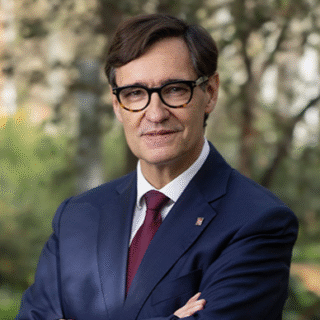
Mr Salvador Illa i Roca has served as President of the Generalitat de Catalunya since 2024. Born in La Roca del Vallès (Barcelona) in 1966, he has dedicated much of his professional career to public service at local, regional and national levels.
He holds a degree in Philosophy from the University of Barcelona and a Master’s degree in Business Administration from IESE Business School at the University of Navarra. He has also served as Associate Professor at the Blanquerna Faculty of Communication and International Relations.
Mr Illa began his public career in 1995 as Mayor of La Roca del Vallès, the municipality where he was born and has always lived. He later served as Director General for Infrastructure Management in the Department of Justice of the Generalitat de Catalunya between 2005 and 2009. In 2010 he joined Barcelona City Council as Director of Economic Management and subsequently coordinated the Municipal Socialist Group, also serving as Manager for Business, Culture and Innovation.
In January 2020 he was appointed Minister of Health of the Government of Spain, leading the country’s health response during the COVID-19 pandemic and overseeing the national vaccination campaign. Following the Catalan elections of 2021, he served as President of the Socialists and United to Advance Parliamentary Group and Leader of the Opposition in the Parliament of Catalonia. After winning the regional elections in May 2024, he assumed the presidency of the Generalitat de Catalunya. Since December 2021, he has also served as First Secretary of the Partit dels Socialistes de Catalunya (PSC).
Thomas Kergall is Senior Technical Advisor for Health and Social Care at the Council of Europe Development Bank (CEB), where he supports the development and financing of health and social care investments across member countries, with a focus on strengthening system capacity, resilience, and social inclusion.
He brings extensive experience in health economics and international development, having worked for over two decades with public institutions, development agencies, and consulting organisations. Prior to joining CEB, he served as an independent consultant on health economics and development projects, and held senior roles at Conseil Santé and other organisations supporting health system strengthening initiatives in Europe and beyond.
His work focuses on the design, financing, and evaluation of health and social care programmes, with particular attention to investment strategies, system performance, and the alignment of financial instruments with policy objectives.
Thomas Kergall holds postgraduate qualifications in economics from Sciences Po and Saint Louis University and was a PhD programme fellow in Economics at Georgetown University.
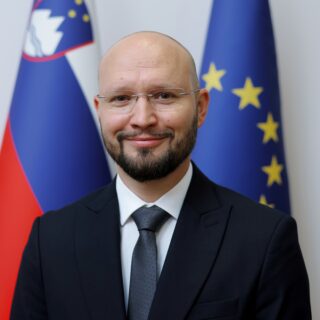
Denis Kordež is State Secretary at the Ministry of Health since October 2023. He holds a Master’s degree in Innovative Management in Social Sciences and a Master’s degree in the topic of family doctor shortage factors. He is also a graduate of the Faculty of Health Sciences at the University of Primorska.
From 2010 to 2019, he worked in the Emergency Surgical Unit of the University Medical Centre Ljubljana. Since 2019, he has been working at the Health Care Centre Litija, where he was initially the coordinator of the Emergency Medical Service, and later the assistant and deputy director.
Denis Kordež has a wide range of experience in the healthcare sector. He has been responsible for work organisation, human resources management, and has been involved in the preparation of investments, infrastructure projects and public tenders. He was the administrator of the quality and safety system (ISO 9001) and the municipal representative in the Health Committee of the Regional Development Agency (RDA). He also led the organisation and implementation of the First Intermediaries system in the Litija Health Centre area. He has extensive experience in the field of emergency medical assistance.
Prof Mireia Las Heras is Professor in the Managing People in Organizations Department at IESE Business School, University of Navarra, where she has served since 2019 as Director of the International Center for Work and Family. Her work focuses on organisational behaviour, work–family dynamics, and the intersection between employment practices and well-being.
She holds a degree in Industrial Engineering, an MBA from IESE Business School, and a Doctorate in Business Administration from Boston University. Her research examines how organisations can better support employees in balancing professional and personal responsibilities, with implications for leadership, organisational culture, and workforce sustainability.
Prof Las Heras has published extensively in leading international journals, including Human Relations, Journal of Vocational Behavior, Journal of Organizational Behavior, Human Resource Management Journal, and Journal of Business Research. She has co-edited several academic books and contributes actively to the global research community on work and family.
She is Chair of the International Work Family Conference, held biennially in Barcelona, which brings together leading researchers and practitioners from around the world to advance knowledge and practice in this field.
Ms Federica Margheri is Executive Director of the European Health Management Association (EHMA), where she leads the organisation’s strategic direction and represents the voice of health management at European and international level. She engages regularly with the European Parliament, the European Commission, the World Health Organization, national authorities, industry and civil society, promoting health management as a strategic lever for resilient, sustainable and people-centred health systems.
She works at the intersection of the EHMA membership, Board of Directors and Secretariat, ensuring the effective delivery of the Association’s mission and strengthening its role as a convenor of policy dialogue, research collaboration and professional exchange across Europe. A central part of her role is building and maintaining partnerships with European institutions, international organisations and project consortia, as well as overseeing EHMA’s portfolio of EU-funded initiatives and flagship events.
Ms Margheri brings over 15 years of experience in project and financial management, communications, operations, administration and governance within European and international organisations. Prior to joining EHMA, she worked with international NGOs and held positions at the European Commission and the European Parliament. She holds a Master’s degree in Policy and Diplomacy and a Master’s degree in International Affairs and Diplomacy.
Prof Federica Morandi is Professor of Management at the Università Cattolica del Sacro Cuore, Faculty of Economics, Department of Management Studies. She is Programme Chair of the Bachelor’s degree in Economics and Service Management and obtained her PhD in the Economics and Management of Healthcare Organisations at the same university.
Since 2020, she has served as Director of Academic Programmes at ALTEMS, the Graduate School of Economics and Management of Healthcare Systems, where she also coordinates the research activities of the Patient Advocacy Associations Lab and the Clinical Trial Management Lab. Her research focuses on organisational models in healthcare and the healthcare workforce.
Prof Morandi has authored more than 30 peer-reviewed scientific articles and around 10 book chapters and is the author of the monograph Managerial Solutions to Hospital Challenges (Nova Science Publishers, 2016). She is co-editor of a book series on healthcare management and Associate Editor of Health Services Management Research. She has received research awards from the Academy of Management and ASSIOA and regularly presents her work at national and international conferences.
Mr Fernando Pacheco Vences is Global Public Affairs Lead, Vaccines at Sanofi, where he leads the development and implementation of global public affairs strategies focused on respiratory vaccines and immunisation. His work centres on strengthening public health systems, advancing equitable access to vaccination and supporting policy environments that enable sustainable prevention strategies.
He has extensive experience in public policy, government affairs and stakeholder engagement, working closely with governments, international organisations, industry associations and civil society partners across multiple regions. Prior to his global role, he held several public affairs and government relations positions within Sanofi and Pfizer, focusing on vaccine policy, immunisation programmes and healthcare advocacy.
Mr Pacheco Vences has also held leadership positions within industry associations and public affairs committees in Mexico. He holds a Master’s degree in Comparative Public Policy and has completed specialised training in public affairs, international relations and political communication.
Dr Antoni Peris-Grao is President of the European Health Management Association (EHMA) and Chief Executive Officer of CASAP – Consorci Castelldefels Agents de Salut, a public consortium delivering primary care services through a Primary Care Team and a Primary Care Emergency Unit. CASAP is committed to providing highly resolutive, high-quality primary care, with a strong emphasis on organisational development, service innovation and team cohesion.
Dr Peris-Grao is a medical doctor specialised in Family and Community Medicine. He holds a Master’s degree in Public Health, a qualification in Quality Management, and a degree in Primary Care Management. He is actively involved in professional and scientific networks and serves on scientific and organising committees of CAMFiC and the European Forum for Primary Care (EFPC). He is also a member of BSalut, an association dedicated to research, innovation and management in health services.
Dr Marius-Ionuț Ungureanu, MD is Associate Professor and Chair of the Department of Public Health at the School of Political, Administrative and Communication Sciences at Babeș-Bolyai University in Cluj-Napoca, Romania. He also holds an appointment as Adjunct Assistant Professor at the Johns Hopkins University Bloomberg School of Public Health. His work focuses on health workforce policy, health systems development and evidence-informed decision-making.
He has held several senior roles in the Romanian Ministry of Health, including Advisor to the Minister of Health, Chief of Staff to the Minister and Deputy Minister of Health. In these positions, he contributed to the development of national strategies on health workforce planning, service delivery and health system reform.
Dr Ungureanu’s research and policy work focuses on strengthening the health workforce, advancing leadership and governance in health systems, improving primary and community care, and supporting the use of research evidence in policy design and implementation. He has led and contributed to national and international initiatives on workforce development, quality improvement and service delivery innovation across Europe.
He currently serves on the Board of the European Health Management Association (EHMA), represents Babeș-Bolyai University on the Governing Board of the European Public Health Association (EUPHA), and is President of EUPHA’s Health and Care Workforce Section. He collaborates regularly with European institutions, academic networks and policy bodies to advance evidence-based approaches to workforce and health system development.
Dr Rosa Vidal is Economic Affairs Director at La Unió, where she leads work on health system financing, payment systems, and economic analysis. She is a health economist with over 19 years of experience in the design, evaluation, and management of healthcare funding and service delivery models.
She has extensive experience within the Catalan Health Service (CatSalut), where she held a series of senior roles over more than 15 years. Her work spanned healthcare financing and expenditure analysis, operational planning and purchasing of healthcare services, and the evaluation of service delivery. In her most recent role at CatSalut, she led work on payment systems and economic evaluation within the economic and investment area.
Dr Vidal’s expertise focuses on health system financing, performance evaluation, and the development of payment mechanisms that support efficiency, quality, and sustainability in healthcare systems.
Marta Villanueva Cendán is Councillor for Health, People with Disabilities and Strategy against Loneliness at Barcelona City Council, where she leads policy and strategic initiatives aimed at improving population health, inclusion, and social well-being. She also serves as Councillor for the Sant Andreu District.
She is President of the Municipal Institute for People with Disabilities (IMPD), the City Council body responsible for promoting accessibility and inclusion across services, public spaces, and city-wide initiatives. In this role, she contributes to advancing policies that address health inequalities and support vulnerable populations.
With a degree in Political Science from the University of Barcelona and several postgraduate qualifications, she combines a policy and governance background with clinical experience. She also holds a diploma in Nursing and previously worked as a nurse at Hospital Clínic de Barcelona.
Prior to her current role, she held a range of positions within the Partit dels Socialistes de Catalunya (PSC), with a focus on organisational development and health-related policy.
Dr Gemma Williams is a Research Fellow at the European Observatory on Health Systems and Policies and a member of the Observatory’s London hub, based at the London School of Economics and Political Science. Her work focuses on comparative health systems research, with particular attention to the health workforce, health financing policy, health inequalities, healthy ageing, digital health, and migration and health.
Her research spans multiple regions, including Africa, Asia, Europe and North America. She contributes extensively to the Observatory’s publications, serving as author and editor of studies, policy briefs and rapid responses, and contributing to outputs for the State of Health in the EU programme. She also monitors and analyses health system and policy developments in Cyprus, Ireland, Malta and the United Kingdom. In addition, she is co-editor of Eurohealth, the Observatory’s quarterly journal.
Before joining the Observatory, Dr Williams worked as a Research Officer at LSE Health and served as an ODI Fellow Health Economist in the Ministry of Health in Rwanda.
Dr Matthias Wismar is Programme Manager at the European Observatory on Health Systems and Policies, where he leads and develops studies, policy briefs, and rapid responses to support evidence-informed health policy. He also coordinates high-level dissemination activities, including policy dialogues, evidence briefings, and expert events.
His work focuses on health policy, politics and governance, with particular interests in civil society engagement, European integration and health, the health workforce, and Health in All Policies (HiAP). He has extensive experience in bridging research and policy, supporting decision-makers across Europe.
Prior to joining the Observatory, he led a health policy research unit at Hannover Medical School in Germany. He holds a doctorate in Political Science from Goethe University Frankfurt and has also studied at the University of Southampton and Nuffield College, University of Oxford.
Mr Antun Aboud is the Administrative Coordinator of the Croatian National Lung Cancer Screening Program and serves as International Correspondent and Project Manager at the Department of Respiratory Diseases at the University Hospital Centre in Zagreb.
He has a strong focus on digital health innovation, with particular interest in AI-driven implementation and integration of advanced technologies in clinical research and public health programmes.
Lisa Baldini is a multidisciplinary professional with degrees in European Languages and Cultures, International Business Development and Healthcare Innovation and Management.
Her main interest is in international and European collaborations to promote the sustainability, accessibility and resilience of healthcare systems. With this goal in mind, she has been working at the Research Unit in AGENAS – the Italian National Agency for Regional Health Services – as programme and financial manager for 6 years on multiple projects within Horizon Europe (Cluster 1 Health), the Third EU Health Program and EU4Health programme.
She is currently principally working as project and financial manager within the coordinator team of the HEROES Joint Action (“HEalth woRkfOrce to meet health challEngeS”), the largest EU Joint Action ever fielded dedicated to Healthcare Workforce planning.
Mr Mauro Batesteza Barbera is Co-Founder and Chief Executive Officer of Health Lean Analytics (HLA), a company focused on applying Lean methodologies and advanced analytics to improve healthcare performance, operational efficiency and patient care delivery. With more than 14 years of professional experience, he has worked across healthcare strategy, consulting and business development, supporting organisations in the design and implementation of innovative operational solutions.
Since 2023, he has led HLA’s strategic development and growth, with a particular focus on transforming healthcare processes through data-driven and value-oriented approaches. Prior to this role, he served as Executive Partner at BGD Architects, where he specialised in business development and partnership building.
Mr Batesteza Barbera’s work centres on healthcare transformation, operational improvement and organisational innovation, with a strong interest in developing practical solutions that support more efficient, responsive and sustainable health services.
Dr João Breda is Head of the WHO Office on Quality of Care and Patient Safety in Athens, Officer in Charge of the WHO Country Office in Greece and Special Representative. The WHO Athens Office serves as a centre of excellence focused on quality of care, patient safety, health innovation and public health leadership, supporting countries across the WHO European Region in strengthening high-performing and equitable health systems.
Prior to his current role, Dr Breda held senior positions within the WHO Regional Office for Europe in Copenhagen and Moscow. Until 2021, he served as Head of the WHO European Office for the Prevention and Control of Noncommunicable Diseases, following more than a decade leading WHO Europe’s work on nutrition, physical activity and obesity.
Dr Breda holds a PhD in Nutritional Sciences from the University of Porto, a Master’s degree in Public Health from Universidade Nova de Lisboa and an MBA from the European University in Barcelona. He has published extensively in public health and health systems research, authoring more than 300 scientific articles and over 20 books.
Dr Marco Di Marco is the Head of the PNE and International Relations Unit at the Italian National Agency for Regional Healthcare Services (AGENAS). He coordinates the activities of the National Outcomes Program (PNE), with the aim of assessing the quality and efficacy of treatment of Italian hospitals, to improve performance and equity in access to treatment.
He also serves as the Scientific Director of the Joint Action HEROES (HEalth woRkfOrce to meet health challEngeS), aimed at improving health workforce planning capacities to ensure the accessibility, sustainability, and resilience of national healthcare services.
Additionally, he participates in AGENAS activities aimed at developing an experimental Italian methodology to define staffing needs at the organisational level and supporting the Regions in its’ implementation.
He has extensive experience in monitoring regional healthcare services’ performances and providing technical support to the Ministry of Health and Regions, in order to improve the quality of healthcare services.
Ms Béatrice Durvy has been part of the Observatory team at the Berlin Hub, based at the Berlin University of Technology, since January 2023. She actively works on various Observatory projects, including the OBS-PACE project on cancer research, care, and policies across the EU, country monitoring activities for France, Norway, and Slovenia, and pharmacy-related topics.
Ms Béatrice Durvy holds a Doctor of Pharmacy degree from the University of Paris-Saclay (France) and an MSc in International Health Policy from the London School of Economics and Political Science (UK). Before joining the Observatory, Ms. Durvy completed a traineeship in International Affairs at the European Medicines Agency, focusing on international coordination and regulatory reliance mechanisms.
Tamás Evetovits is Head of the WHO Barcelona Office for Health Systems Financing, WHO Regional Office for Europe, Division of Country Health Policies and Systems. He is leading WHO’s technical assistance to Member States on health financing in the European Region. In addition to extensive country work on health financing policy, his technical focus of region-wide relevance is on financial protection for universal health coverage and the sustainability of financing health systems in Europe.
He has extensive experience in training and consultancy in health financing policy and capacity building in countries of Central and Eastern Europe. Prior to joining WHO he worked as director of International Programs at the Health Services Management Training Center at Semmelweis University, Budapest, where he was responsible for the World Bank Institute’s regional Flagship Program delivered jointly by the University, WBI and WHO Europe.
He is a medical doctor by training and holds two MSc degrees in health policy and management from Semmelweis University (Budapest) and the University of London.
Dr Lucia Ferrara is an Associate Professor of Practice in Healthcare Management at SDA Bocconi in Italy. She holds an MSc. in Sociology, Health, and Social Policy from the University of Bologna, an MSc in Health Economics and Health Policies from Coripe Piemonte, and a PhD in Health and Social Policy Evaluation from the University of Bari.
Since 2016, she has worked in healthcare management at SDA Bocconi University, focusing on integrated care and digital health, big data and population health management, healthcare service redesign, and financing. A recognised expert in integrated care pathways, she has conducted research on clinical networks, big data applications, and health policies across Italy and Europe.
She is currently involved in GERONTE, a Horizon 2020 project improving care for older multimorbid cancer patients through data integration and enhanced information exchange. She also contributes to national and regional projects supporting community care service reform in Italy.
Dr Válter Fonseca is a Technical Officer for Health Systems and Quality of Care at the WHO Office on Quality of Care and Patient Safety in Athens, operating within the WHO Regional Office for Europe. His work focuses on advancing healthcare quality, patient safety and health system strengthening across the European Region.
Dr Fonseca supports initiatives aimed at improving health system performance, strengthening public health leadership and promoting the standardisation of quality improvement methodologies for healthcare professionals. His areas of expertise include patient safety, workforce development, the appropriate use of medicines and the implementation of integrated care models.
He holds both an MD and a PhD and also serves as an Assistant Professor at the Faculty of Medicine. Through his work with WHO and academic institutions, Dr Fonseca contributes to regional initiatives designed to support more effective, resilient and people-centred health systems.
Since completing his Masters degree at the Vrij Universiteit Brussel in 1993 Frazer has worked in the European Commission, as an independent consultant, and in civil society organisations. He has, worked on air quality, transport, environment, development cooperation, children’s rights and for the last fifteen years, explicitly on health issues. He also has family members with asthma and allergies and it was their experiences that gave him a strong motivation to join EFA so as to harness his experience and knowledge on EU health policy to support and empower patients.
Triin Habicht is a Senior Health Economist at the Barcelona Office for Health Systems Financing of the WHO Regional Office for Europe. She was the Head of Health System Development at the Ministry of Social Affairs (MoSA) from 2015-2017. Prior to that she was Head of the Department of Health Care at the Estonian Health Insurance Fund where she worked since 2006.
Previously she worked as the Head of Health Policy Unit in the Public Health Department at the MoSA (2004-2006) and as a health economist at the Estonian Health Insurance Fund (2001-2003). Her work has been mainly focused on all aspects of health system financing including development of different payment and contracting schemes for health care providers but also assessment of new health technologies, enhancement of health care quality assurance system and transforming hospital and primary health care provider network.
She has been teaching health economics and health financing policy at the University of Tartu.
Terence Hynes is a senior health economist in the Irish Department of Health, working in a research unit that supports national workforce planning for Ireland’s health system. His work focuses on health workforce planning and reform, including the development and application of workforce models and long‑term supply and demand projections to inform strategic decision‑making.
He is also undertaking a PhD at the University of Galway on the application of simulation modelling and econometric methods to strategic workforce planning in the Irish healthcare system.
Dr Gratiela Iordache is Coordinator of the Unit for Projects’ Implementation at the National Authority for Quality Management in Health Care (ANMCS) in Romania. She is a systems analyst by training, having graduated from the Faculty of Cybernetics at the Bucharest University of Economic Studies, and holds an MBA from the Case Western Reserve University Weatherhead School of Management in partnership with CEU.
She brings more than 20 years of experience in finance, international cooperation and project management, with a particular focus on the health sector. Throughout her career, she has collaborated with international organisations including the OECD, WHO, World Bank, IFC, Parliamentary Assembly of the Council of Europe and the European Commission, contributing to the implementation of numerous national and international initiatives.
Dr Iordache currently represents ANMCS in OECD working structures and has contributed to the development of Romania’s eHealth Strategy and broader health sector digitalisation initiatives.
Ms Louise Junge has been a member of the European Observatory team at the Berlin Hub, based at the Berlin University of Technology, since April 2025, where she contributes to the OBS-PACE project.
Originally from Cape Town, South Africa, Ms. Louise Junge holds a Master’s degree in Public Health from the Berlin School of Public Health and a Bachelor’s degree in Health Sciences from Charité – Universitätsmedizin Berlin. She also studied at the Università Cattolica del Sacro Cuore in Rome as part of the Erasmus programme.
Prior to her academic career, Ms Louise Junge worked as a registered nurse in an emergency department in Berlin, gaining first-hand insight into the practical challenges faced by health systems. This experience has shaped her research interests, particularly in the health care workforce and the integration of care.
Marina is a member of the Observatory’s London hub and is based at the London School of Hygiene and Tropical Medicine.
Her work focuses on health systems performance assessment (HSPA), and using population health and health systems data to support health policy making. She also edits Health System Reviews (HiTs), Country Health Profiles within the State of Health in the EU programme, Financial Protection Country Reviews for WHO Barcelona Office for Health Systems Strengthening as well as covers health system and policy developments in selected European countries. Marina supports the Observatory’s knowledge brokering activities through contributing to peer-reviewed publications, policy briefs and other reports as well as disseminating materials in conferences, seminars/webinars and expert meetings.
Marina is an honorary Assistant Professor in LSHTM’s Centre for Global Chronic Conditions. She completed her PhD in Public Health in Erasmus University Medical Centre, Rotterdam.
Nora Karara is a specialist paediatrician at Universitätsklinikum Ruppin-Brandenburg and a guest researcher at Charité Universitätsmedizin Berlin. She combines frontline clinical experience in hospital and primary paediatric care with active engagement in European health policy, research, and professional leadership. As Chair of the Young European Academy of Paediatrics, she leads initiatives to strengthen paediatric training, support the future workforce, and promote collaboration across Europe. She also contributes to research informing national and European stakeholders on training systems, workforce challenges, and primary care models, is active in the Strategic Advisory Group on Immunisation and collaborates on initiatives with the World Health Organization. She is committed to strengthening child health services and ensuring that child and adolescent needs are reflected in future health system strategy and policy.
Dr Kovacs works as Assistant Professor at the Health Services Management Training Centre, Faculty of Health and Public Services, Semmelweis University in Budapest, Hungary, where she acts as head of unit of the Health Workforce Planning Knowledge Centre.
She has participated in and played crucial roles in several international projects: FP7 projects e.g., Health Prometheus, European Cross-border Care Collaborations, Joint Actions on European Health Workforce Planning and Forecasting, the SEPEN Joint Tender on animating the European health workforce expert network, and JA ImpleMENTAL, and some EU-co-funded projects on health workforce reforms, e.g. TaSHI and OASES projects.
Dr Kovacs also coordinates the activities of the WHO Collaborating Centre on Human Resources for Health Development since 2015. Due to this latter role, she had the opportunity to contribute to the design and creation of the WHO HRH Leadership and Management Prototype curricula. Her areas of expertise are human resources management, HRH data and related policy issues, strategic health workforce planning, health workforce education, health professionals’ mobility, cross-border health care, innovations in HRH management, digitalisation of the health workforce, mental health and wellbeing of health workers, and health/medical tourism.
Ms Christina-Maria Kravvari is Secretary General for Public Health at the Ministry of Health of Greece. Prior to this appointment, she served as Head of the Health Department of the Hellenic Ministry of Climate Crisis and Civil Protection from 2020 to 2025, where she contributed to the management of public health emergencies and national preparedness initiatives.
A retired Major General, Ms Kravvari began her career in the Hellenic Air Force health services and worked at the 251st General Hospital of the Air Force until 2020. She holds a Master’s degree in Social and Preventive Medicine and Quality in Healthcare from the Aristotle University of Thessaloniki and an Executive MSc in Health Economics, Policy and Management from the London School of Economics.
Ms Kravvari represents Greece in several European and international health governance bodies, including WHO and European Commission expert groups, with a particular focus on health security, emergency preparedness and public health policy.
Prof Federico Lega is Full Professor of Healthcare Management at the Università degli Studi di Milano, Department of Biomedical Sciences for Health, where he teaches healthcare management and policy and leads the Research Centre in Health Administration (HEAD). He holds a PhD in Business Administration and Management and has longstanding experience in academic leadership and executive education in the field of health management.
Previously, Prof Lega served as Professor at SDA Bocconi School of Management, where he led research on strategy and organisational development in healthcare at the Bocconi Research Centre on Health Policy and Management (CERGAS) and headed executive education programmes for health managers, clinicians and industry leaders. He has also held visiting and adjunct positions at international universities.
Since 2015, Prof Lega has been Editor-in-Chief of Health Services Management Research and serves as Associate Editor of BMC Health Services Research and Medical Care Research and Review. He has published extensively, with more than 150 articles in peer-reviewed journals and several books. Alongside his academic work, he advises health systems, hospitals and public institutions at national and international level, contributes to policy and governance initiatives, and collaborates with international organisations, including the World Health Organization.
Dr Frederic Llordachs i Marqués is a medical doctor with an MBA, specialised in healthcare management and marketing, with extensive experience across healthcare insurance, service delivery and digital health innovation. He is co-founder of Doctoralia, a pioneering eHealth platform now part of the Docplanner Group, one of the largest global platforms for healthcare search and accessibility.
Following this, he has been actively involved in the development and growth of multiple digital health and technology ventures through Braincats Consulting. These include projects spanning medical e-commerce, AI-driven customer engagement and telemedicine, such as Clinicpoint, Universal Customer, Doctivi and Doctomatic.
He is currently focused on Llamalitica, a generative AI initiative aimed at improving communication between healthcare professionals and patients. His work centres on developing new business models in the healthcare sector, with a particular focus on innovative, internet-based health services and the application of emerging technologies to improve access, efficiency and patient experience.
María Cecilia Martín Fernández de Basoa holds a Medical Degree from the University of La Laguna and is a Specialist in Clinical Analysis. She completed her specialist training at the Hospital Universitario Nuestra Señora de Candelaria (Tenerife), where she currently works in the areas of Hormones, Tumor Markers, Prenatal Screening, and Preeclampsia, and also serves as Head of the Quality Management System within the department.
With a strong background in healthcare management, quality, and biostatistics, she combines clinical practice with the continuous improvement of processes and outcomes in the clinical laboratory. She is actively involved in hospital committees and translational research, serving as Principal Investigator in projects focused on lung cancer.
She has been awarded several research grants and honors, including recognition from the Royal Academy of Medicine of Santa Cruz de Tenerife, and was named Top Elite Winner at the Univants of Healthcare Excellence 2025 for her contribution to improving patient safety and healthcare efficiency.
Chloë Mbarushimana is a junior scientist at the Belgian Cancer Centre. As part of her work, she is primarily involved in coordinating the Joint Action eCAN Plus, which focuses on enhancing the digital capabilities of cancer centres across Europe. She also contributes to work on translating European initiatives into national frameworks.
She has a background in biomedical sciences and EU policy.
Giulia Menin is a nurse with a permanent position at the Unit for Staffing Needs, Standards and Organisational Models of Health Professions at AGENAS – the Italian National Agency for Regional Health Services.
Her work focuses on the development of methodologies for calculating staffing needs within the Italian National Health Service. She is Project Officer for the Joint Action HEROES (“HEalth woRkfOrce to meet health challEngeS”), coordinated by AGENAS, where she is part of the coordination team and represents Italy.
Her main interests include health workforce planning at national and European level, with a focus on strengthening sustainable, accessible and resilient health systems.
She has a clinical background in both public and private hospitals, with experience in intensive care, emergency and urgent care (Emergency Department and ambulance services – SUEM 118), and transplant coordination. She has also been involved in academic activities at the University of Padua, teaching Critical Care Nursing, supervising theses, and participating in degree committees.
Dr Jordi Piera-Jiménez is Chief Executive Officer of openEHR International and Head of Research at Fundació TIC Salut i Social, where he leads work on digital health innovation, interoperability and data-driven healthcare transformation. He previously served as Director of the Digital Health Strategy for Catalonia, leading one of Europe’s most ambitious public digital health transformation programmes focused on interoperable and vendor-independent electronic health record architectures.
A recognised expert in health informatics and digital health strategy, Dr Piera-Jiménez has extensive experience in interoperability, electronic health record integration and the use of real-world data within publicly funded health systems. Prior to his current roles, he served as Chief Information Officer and R&D Officer at Badalona Serveis Assistencials, focusing on telemedicine and integrated care services.
Dr Piera-Jiménez also contributes to international initiatives on digital public infrastructure for health, including collaborations linked to the World Health Organization and the European Health Data Space.
Maria Pueyo is a doctor, specialised in Pediatrics, Master in Public Health, Master in Health Economics and Pharmacoeconomics and PhD in Biomedicine from Pompeu Fabra University. After a few years working in primary care, her career was oriented towards healthcare planning and management from the Department of Health of the Government of Catalonia.
Her experience includes, among others, planning and organising provision of healthcare services, coordinating master plans, being in charge of the pay-for-performance system in Catalan Health Service and, for two years, management of the Integrated Healthcare Area Barcelona Esquerra of the city of Barcelona. For the last three years she has been working at La Unió, a social agent of the concerted health providers, as Director of the Healthcare Services and Participation Area.
Among her priorities is the support to the associates in the implementation of person-centred care (PCC). During this time, her team have developed a PCC progress guideline that has served as a benchmarking tool allowing the comparison between healthcare organisations; they have led several workshops on how to create a user’s council in entities, and they have set a standard on the composition and functions of PCC units.
Ms Tricia Ravalico is Global Director of Scientific Leadership and Education, Core Diagnostics, Scientific and Medical Affairs at Abbott. Previously, Ms Ravalico served as Associate Director of Medical Research in Abbott Diagnostics Medical Affairs, where she oversaw a portfolio of more than 65 clinical trials globally. Her work involved close collaboration with Research and Development, Scientific Affairs, Business Development and Global Marketing, supporting the generation and translation of clinical evidence into practice.
She is actively engaged in international professional networks and currently serves on several expert groups and advisory bodies, including the IFCC Publications and Communications Executive Board, the IFCC Working Group on Clinical Applications of Cardiac Biomarkers, and the AACC Corporate Advisory Panel.
Ms Ravalico has a background in biochemistry and extensive experience in assay and system development. She holds several patents related to sample-to-sample carryover and has contributed to innovations aimed at improving diagnostic performance and reliability. She has also led the development of global initiatives promoting integrated, multidisciplinary care models, encouraging collaboration across traditional healthcare silos to improve patient outcomes, system performance and value for health systems.
Mieke Rijken holds a Master in Health Sciences (health education; Maastricht University) and a PhD in Social Sciences (health psychology; Utrecht University). Her research focuses on person-centred chronic care, in particular on the identification of persons with complex care needs, and how their care experiences could be improved through person-centred integrated care. She also studies the transformation towards people-centred health systems and how patient-reported quality information could support this transformation.
As coordinator of the PaRIS-SUR consortium she supported the Organisation of Economic Co-operation and Development (OECD) in the development and implementation of the new international Patient-Reported Indicators Survey (PaRIS). She also provides scientific support to the European Partnership on transforming health and care systems (THCS), and contributes to various EU funded actions, including the Joint Action JACARDI and projects on person-centred integrated care for CAYA cancer survivors (PanCareFollowUp, PanCare4AYA). In other EU funded projects she worked on the development and implementation of integrated care for people with multimorbidity (e.g., ICARE4EU, JA-CHRODIS).
Mieke is Senior Expert Advisor to the European Observatory on Health Systems and Policies on integrated care, and has contributed as such to several of its studies and policy briefs. She recently led the development of a policy brief on the implementation of person-centred care for people with multimorbidity, which will be launched in the workshop ‘Person-centred care for people living with multiple chronic conditions’, co-organised by the Observatory, at the EHMA conference 2026.
Dr Melissa Ryan is Director of Global Medical Affairs for Clinical Diagnostics at Abbott Laboratories, where she leads strategic initiatives at the intersection of laboratory medicine, clinical practice and health system performance. She holds a Doctor of Health Science and a Master of Science, with a strong background in translational science and evidence generation to support value-based healthcare.
Prior to joining Abbott, Dr Ryan held several senior roles in leading US healthcare institutions, including Technical Director of Anatomic Pathology at University of Chicago Medicine and managerial positions in surgical pathology at Northwestern Memorial Hospital. In these roles, she was responsible for the planning, organisation and management of complex laboratory services, with a focus on quality assurance, operational performance and workforce development. She began her career at Mayo Clinic, where she contributed to laboratory education and clinical practice.
Building on this foundation in laboratory medicine and pathology, Dr Ryan works closely with healthcare providers, researchers and policymakers to advance the integration of diagnostics into clinical pathways, supporting earlier decision-making, improved patient outcomes and more efficient use of resources. She has extensive experience in designing and implementing programmes that demonstrate the clinical and economic value of laboratory medicine across diverse health system contexts.
Dr Ryan has been actively involved in international collaborations focused on healthcare innovation and quality improvement, including initiatives linked to the UNIVANTS of Healthcare Excellence programme. Her work focuses on identifying and scaling best practices that enhance multidisciplinary collaboration, optimise care delivery and contribute to sustainable health system transformation.
Dr. Silvia Gabriela Scîntee is Deputy General Director at the National Institute of Health Services Management in Bucharest, Romania. She has a master’s degree in health services management from the London School of Hygiene & Tropical Medicine and a PhD in Public Health from the University of Medicine and Pharmacy “Carol Davila” Bucharest.
Dr Scîntee has extensive knowledge of the Romanian health system as she worked as a Public Health Consultant at the Institute of Public Health Bucharest (1992–2005) and was Deputy General Director of the Romanian National Health Insurance House (2005–2007). She also has working experience at international level, having been engaged in different assignments for WHO and the European Commission, and having worked as an international expert for several consultancy firms and international organizations.
Country expert for Romania in the Health Systems and Policy Monitor (HSPM) network of the European Observatory on Health Systems and Policies, she participated in numerous health systems and policy comparative analyses.
Cris Scotter is a Senior Policy Advisor specialising in health workforce strategy at the World Health Organization Regional Office for Europe, where they lead and support policy initiatives on human resources for health, workforce planning and health system governance across the European Region. Their work focuses on strengthening workforce sustainability, labour market intelligence and strategic planning to support resilient health systems and Universal Health Coverage.
Since joining WHO in 2016, Cris has held a range of advisory and technical roles, contributing to the development of regional policy frameworks and practical tools for health workforce planning. They served as the principal coordinator and lead writer of the WHO toolkit for a sustainable health workforce in Europe, supporting Member States in addressing workforce shortages, planning challenges and system transformation.
A central part of their role is facilitating cooperation and peer learning among Member States, with particular engagement in the Caucasus, the Balkans and the WHO Small Countries Initiative. Cris also serves as WHO lead for the Joint Action on Health Workforce Planning, strengthening collaboration with the European Commission and national authorities on workforce policy and planning.
Prior to joining WHO, Cris worked at the UK Department of Health, focusing on international recruitment and workforce intelligence. They hold an MSc in Health Policy from Imperial College London and an MBA from The Open University Business School.
Nathan is part of the Observatory team at the Berlin Hub, based at the Berlin University of Technology.
He conducts comparative health systems research, including topics such as health system performance assessment, health financing, integrated care and person-centred care, rehabilitation and workforce. His work covers health system and policy developments through projects like the State of Health in the EU programme, Health System Reviews (HiTs), policy briefs, peer-reviewed journal articles and Observatory studies. For the Observatory’s country monitoring work, he is the editor of the Health System Policy Monitor Network (HSPM) platform for Cyprus, Czechia and Slovakia, led the work on the HiT on the Caribbean Netherlands, and has also published on other regions such as Africa, Asia and North America.
Nathan is pursuing a Doctorate of Public Health at TU Berlin. He earned a Master of Public Policy from the Hertie School of Governance in Berlin and holds a BA in Political Science from the University of Illinois. He is also a managing editor of the scientific journal Health Policy and teaches at the Berlin School of Public Health.
Diana Smaliukaitė is a policy professional at the Ministry of Health of the Republic of Lithuania, where she contributes to the development and implementation of health workforce and nursing policy. Her work focuses on strengthening healthcare delivery through workforce innovation, professional development and system reform.
She has been actively involved in European collaborative initiatives on health workforce policy, including the EU co-funded TaSHI project (Empowering EU health policies on Task Shifting), where she has contributed to work on expanding and strengthening nursing roles and task-shifting models across health systems. Her involvement supports the development of evidence-informed approaches to workforce organisation and the optimisation of professional roles in healthcare delivery.
Ms Smaliukaitė has also contributed to national discussions on nursing assistants and long-term care reform in Lithuania, with a particular focus on the evolution of nursing roles and the adaptation of workforce structures to meet changing health system needs. Through her work at the Ministry, she supports policy development aimed at improving healthcare quality, workforce sustainability and patient-centred care.
Verena Struckmann is a senior researcher at the Department of Healthcare Management, Technical University Berlin (TUB), Germany. She studied in the Netherlands, Sweden and Germany and obtained her PhD in Public Health from TUB in 2019.
Her research focuses on global health, integrated care, person-centred chronic care, health systems and policy, digital health, health financing, equity and gender-based discrimination. She has contributed to several EU – funded projects, including ICARE4EU and SELFIE, which focused on the development, evaluation and implementation of person-centred integrated care for people with multimorbidity.
Verena serves as a Senior Expert on integrated care to the European Observatory on Health Systems and Policies, contributing to a range of policy briefs and policy dialogues. Since February 2024 she has led the Global Health Research Unit at the TU Berlin. In 2025, she was awarded a research fellowship in Public Health Intelligence, a joint initiative of the Charité Center for Global Health and the WHO Hub for Pandemic and Epidemic Intelligence.
Patrick Swain is Head of Partnerships and External Relations at the International Longevity Centre UK (ILC), the UK’s specialist think tank on the impact of ageing on society. He has more than five years of experience in UK and European health policy, having previously worked for Leukaemia UK and the Brussels-based Coalition for Life Course Immunisation.
Patrick is committed to driving meaningful policy change by engaging policymakers and stakeholders in the UK and internationally. His work on ILC’s Pneumococcal Vaccination Atlas was featured on the UN Decade of Healthy Ageing website. He has also been quoted in national media, including Stylist on healthy ageing and physical activity and The Independent on mental health support for older adults.
Lynn Al Tayara is a health financing consultant at the WHO Barcelona Office for Health Systems Financing of the WHO Regional Office for Europe. Her work has been focused on health financing policy, health equity and access, financial protection country reviews and data analyses, with a focus on the Western Balkans. She manages the coverage policy information displayed on UHC watch, an online platform tracking affordable access to health care in Europe and central Asia.
She is particularly interested in the role of health financing in strengthening affordable access to mental health care. Prior to her current role, she worked as a health economist consultant for the European Observatory on Health Systems and policies, the Utrecht WHO Collaborating Centre for Pharmaceutical Policy and Regulation and WHO Western Pacific Regional Office (WPRO).
Lynn is an Economist by training and holds an MSc in International Health Policy and Health Economics from the London School of Economics and Political Science (LSE).
Steve is the Edward Kennedy Chair of Health Policy and Management in the Centre for Health Policy and Management in the School of Medicine. He is also a Health Research Board Research Leader with his RESTORE programme, focussed on heath system resilience and reform. He has a wealth of international experience in policy-oriented research and post-graduate teaching and education in government and academia over the last 29 years.
His research interests include health systems evaluation, health financing, health policy analysis, and workforce planning and motivation. His track record in policy influence is outstanding. He led the Trinity team in support of the Oireachtas Committee for the Future of Healthcare and its production of Sláintecare which became government policy. He served for ten years as a co-Director of the national SPHERE PhD programme which has successfully trained over 90 PhD candidates.
He collaborates widely with national and international stakeholders in research, policy and education.
Sarah Thomson is a Senior Health Financing Specialist at the WHO Barcelona Office for Health Systems Financing, where she leads a project looking at whether people in Europe and central Asia can afford to pay for health care. She has also led studies on the history, politics and performance of private health insurance globally and the impact of the 2008 global financial crisis on health systems in Europe.
Before moving to Barcelona Sarah was an Associate Professor in Health Policy at the London School of Economics and Political Science, Deputy Director of LSE Health and Head of the LSE Hub of the European Observatory on Health Systems and Policies. From 2013 to 2016 Sarah was a member of the European Union’s Expert Panel on Effective Ways of Investing in Health. From 2006 to 2008 she worked at the London School of Hygiene & Tropical Medicine, advising the UK government on health system reforms in OECD countries.
Sarah has a PhD from the LSE.
Dr Christos Triantafyllou is a Project Officer for Quality of Care at the WHO Office on Quality of Care and Patient Safety in Athens, operating within the WHO Regional Office for Europe. His work focuses on quality of care, patient safety and public health, supporting regional initiatives aimed at strengthening healthcare systems and improving clinical outcomes.
He holds a degree in Nursing and a PhD focused on patient safety from the National and Kapodistrian University of Athens. He also completed Master’s studies in Intensive Care Units and in Clinical Epidemiology and Research Methodology in Clinical Practice, with research examining quality of life in patients with chronic obstructive pulmonary disease (COPD).
Prior to joining WHO, Dr Triantafyllou worked on the COVID-19 and mpox response in Greece and contributed to antimicrobial resistance activities. He also served as an Infection Preventionist at the Center for Clinical Epidemiology and Outcomes Research (CLEO) and has been actively involved in academic teaching and clinical research activities since 2016.
Iris van der Heide holds a Master in Communication Studies (Utrecht University) and a PhD in Public Health (VU University Amsterdam). Her PhD research focused on health literacy, a topic she continued to investigate during her postdoctoral fellowship at University of British Columbia.
As Senior Researcher in Patient-Centered Care at Netherlands Institute for Health Services Research, she leads and contributes to research centred on the experiences, needs, and perspectives of patients and citizens. Her work spans person-centred care, transparency, access to care, support for vulnerable populations, diversity, and health literacy. She also evaluates care approaches for people with multimorbidity, including through projects such as ICARE4EU.
As Work Package Lead within the ongoing European Oncology Quality of Life project (EUonQoL), she contributes to patient-centred cancer care and Patient and Public Involvement (PPI). In addition, she provides scientific support to the European Partnership on Transforming Health and Care Systems (THCS), the European Commission, and European Medicines Agency on a range of health and health-system topics through framework contracts. Furthermore, Iris represents Nivel within the HSPM network of the European Observatory on Health Systems and Policies.
Lilian Vildiridi has been serving as Secretary General for Health Services at the Hellenic Ministry of Health since July 2023. In this role, she has been involved in the implementation of reforms in the hospital sector, including health workforce planning, the upgrading of hospital infrastructure, and the reorganisation of hospital and emergency care services. Her work also focuses on strengthening quality of care and performance monitoring in public hospitals, with an emphasis on improving service delivery, patient experience, and system efficiency.
Prior to her current role, she served in senior advisory positions within the Ministry of Health, including as Office Director to the Minister and Alternate Ministers of Health.
She represents Greece in the European Commission Expert Group on Health System Performance Assessment and serves as national delegate to the OECD Health Committee and its working parties.
Earlier in her career, she worked as a Research Associate at the LSE Health and Social Care Research Centre, focusing on health system performance assessment and human resource management in healthcare.
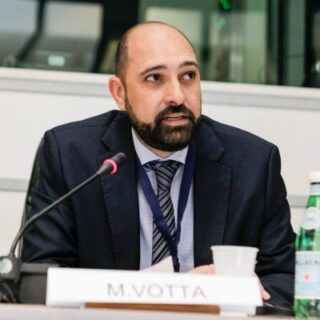
Mariano Votta is Director of Active Citizenship Network (ACN), the European branch of Cittadinanzattiva, where he leads EU Affairs, public affairs and project management activities at European level. In this role, he represents the organisation in its engagement with European institutions, civil society organisations and international stakeholders, with a particular focus on health policy, patients’ rights and citizen participation in policymaking.
With more than 20 years of experience in advocacy, stakeholder engagement, European projects and communications, he has played a leading role in strengthening the voice of civil society within European health policy discussions. He notably led the political initiative that established the MEP Interest Group on EU Patients’ Rights and Cross-Border Healthcare in 2015, now in its third parliamentary term and recognised as a significant example of structured civil society engagement at EU level.
Mr Votta is actively involved in a range of European and international expert groups and advisory initiatives. Since 2022, he has served as a member of the HERA Civil Society Forum, the expert group of the European Health Emergency Preparedness and Response Authority (HERA) Advisory Forum. He is also a member of the WHO Civil Society Task Force on Antimicrobial Resistance, as well as several European initiatives focused on vaccination policy and public health.
He serves on the Board of European Movement Italy and has authored more than 50 articles in international peer-reviewed journals. Mr Votta holds an MSc in Political Science, completed postgraduate studies in EU Public Relations and Corporate Social Responsibility, and is also a journalist.
Dr Julia Zimmermann is a Technical Officer at the European Observatory on Health Systems and Policies based at the London School of Economics and Political Science. Her work at the Observatory focuses on health system resilience, health system performance assessment and comparative analysis.
Before joining the European Observatory, Julia worked at the Department of Health and Social Care in the UK and completed a Blue Book traineeship at the European Commission (DG SANTE). She is a GMC registered medical doctor, and has worked clinically in various medical and surgical specialties.
Julia holds a joint MSc in Health Policy, Planning and Financing from the LSE and LSHTM and an MBBS and BSc in Immunity and Infection from Imperial College.
By continuing to use the site, you agree to the use of cookies. more information
The cookie settings on this website are set to "allow cookies" to give you the best browsing experience possible. If you continue to use this website without changing your cookie settings or you click "Accept" below then you are consenting to this.